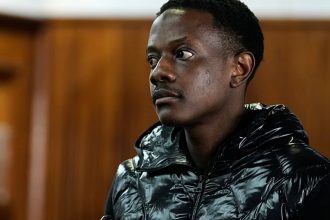
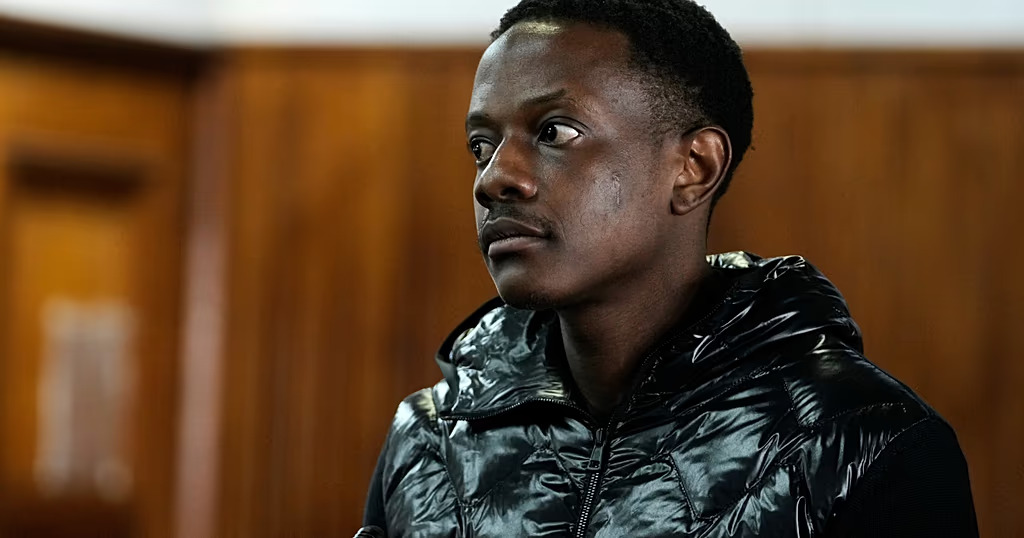
Chatunga Bellarmine Mugabe, the youngest son of former Zimbabwean president Robert Mugabe, is facing possible deportation after South African authorities confirmed he was allegedly residing in the country without valid documentation.
According to immigration officials, Mugabe had previously been denied entry into South Africa. Despite that refusal, authorities believe he remained in the country, prompting renewed scrutiny into his immigration status. Officials have indicated that he may be deported to Zimbabwe if his status is not regularised.
Criminal charges add pressure
The immigration matter unfolds as Mugabe also faces charges of attempted murder after allegedly discharging a firearm during an altercation with his gardener. Authorities have not released full details of the incident, and the matter is expected to proceed through the courts.
SIU investigation into immigration corruption
The case emerges against the backdrop of a wider crackdown on alleged corruption within the Department of Home Affairs.
The Special Investigating Unit (SIU) recently exposed what it described as a compromised immigration system in which visas and residence permits were allegedly traded for cash.
According to the SIU, certain officials turned their positions into profit-driven operations, undermining border controls and residency processes.
Among those named in related investigations are Shepherd Bushiri, Mr Kudakwashe Mpofu, and Nigerian rapper Prince Daniel Obioma. They are accused of exploiting systemic loopholes, falsifying documents, or leveraging influence to obtain fraudulent residence permits. Allegations remain subject to legal proceedings.
Broader implications
The SIU’s findings suggest that immigration approvals may, in some cases, have been granted improperly, raising concerns about the integrity of residency controls.
For high-profile figures such as Chatunga Mugabe, the scrutiny underscores the tightening of immigration enforcement amid broader anti-corruption efforts.
As investigations continue, the case highlights the intersection of celebrity, politics and institutional accountability — and how immigration compliance can become a flashpoint when public trust in state systems is already under pressure.