
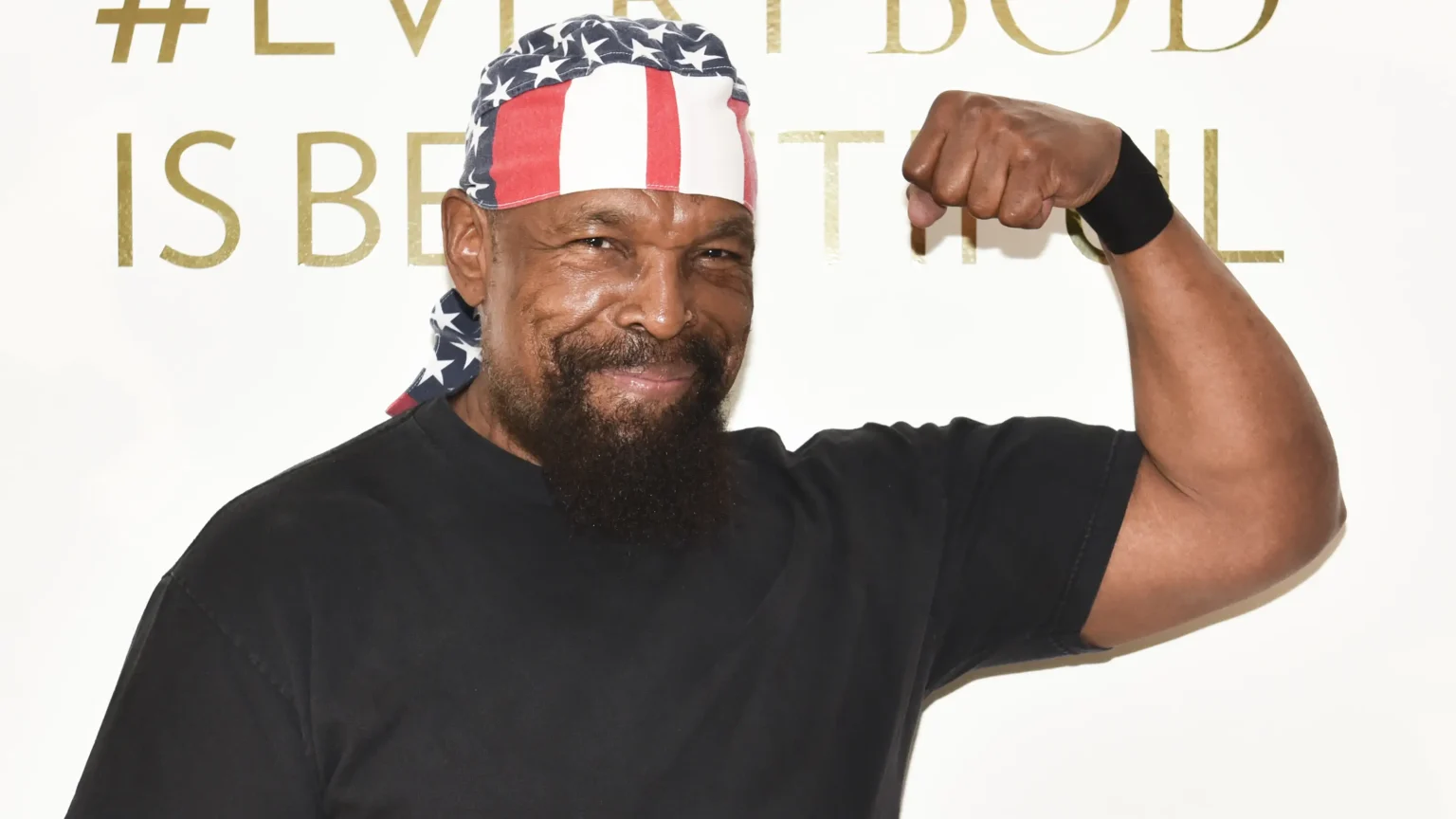
“Most people think I’m lying when I say that, but I’m like, why would I pick him?”
That’s how comedian Erica Clark often breaks the ice when talking about her famous father — Mr. T, the gold-chain-wearing, mohawk-sporting pop culture icon of the 1980s. But beneath the humour lies a story about identity, visibility, and carving one’s path beyond a household name.
Clark, now 46, has turned her childhood confusion and social awkwardness into sharp, self-aware comedy. Performing across the U.S. — including on Don’t Tell Comedy — she’s built a career defined by honesty and resilience. Yet, as she reveals, growing up as Mr. T’s daughter wasn’t nearly as glamorous as people might think.
A Childhood of Disbelief and Duality
Clark recalls that growing up meant constantly navigating disbelief. “Either everybody believed me when I said who my dad was, or no one did — there was no in-between,” she told audiences.
Raised between two worlds — Chicago’s affluent suburbs and the city’s South Side, she says the contrast shaped her understanding of class and race early on.
“When I lived in a wealthy neighborhood, everybody believed me,” she said. “But at my all-Black school on the South Side, nobody did. I’d tell them my dad couldn’t come to school events because he was doing WrestleMania with Hulk Hogan — and they’d look at me like I was crazy.”
It was a strange childhood marked by both privilege and alienation. To some, she was the daughter of a hero; to others, a girl telling tall tales.
From Teacher to Comedian
Before comedy, Clark worked as a special education teacher, a job she says helped her embrace authenticity.
“My students didn’t care what anyone else thought. There was no sugar-coating with them — it was refreshing,” she shared in a 2015 interview with NBC News.
Teaching gave her perspective, but comedy gave her voice. “I always thought it was funny,” she said. “My dad had on gold chains and everyone else’s dad had on a suit.”
Still, choosing the stage over the classroom wasn’t easy. Clark admits her father wasn’t thrilled about her entertainment ambitions.
“He doesn’t want me to do entertainment at all, so he hasn’t come to any of my shows,” she said. “But he’s aware that I do it.”
Despite the lack of paternal endorsement, she’s determined to succeed on her own merit. “You still have to be funny,” Clark said. “They’re not going to keep putting you on stage because of who you’re related to.”
Living Beyond the Legacy
For Clark, being Mr. T’s daughter isn’t a ticket to fame — it’s a reminder of how fame complicates identity. She has had to define herself not as a celebrity offspring, but as a performer with her own story to tell.
Her comedy blends sharp wit with introspection, tackling themes of race, family, and expectation. It’s a balancing act between honouring her roots and forging her independence — one punchline at a time.
“My story’s funny because it’s real,” she once said. “It’s not about being Mr. T’s daughter — it’s about being Erica Clark, trying to make sense of that.”