The Nigerian government has pushed back strongly against the Trump administration’s plan to deport undocumented Venezuelan migrants—some with criminal histories—to African countries, including Nigeria. The move has been described by Nigerian authorities as unjustified and diplomatically insensitive, given the migrants’ lack of legal or national ties to Nigeria.
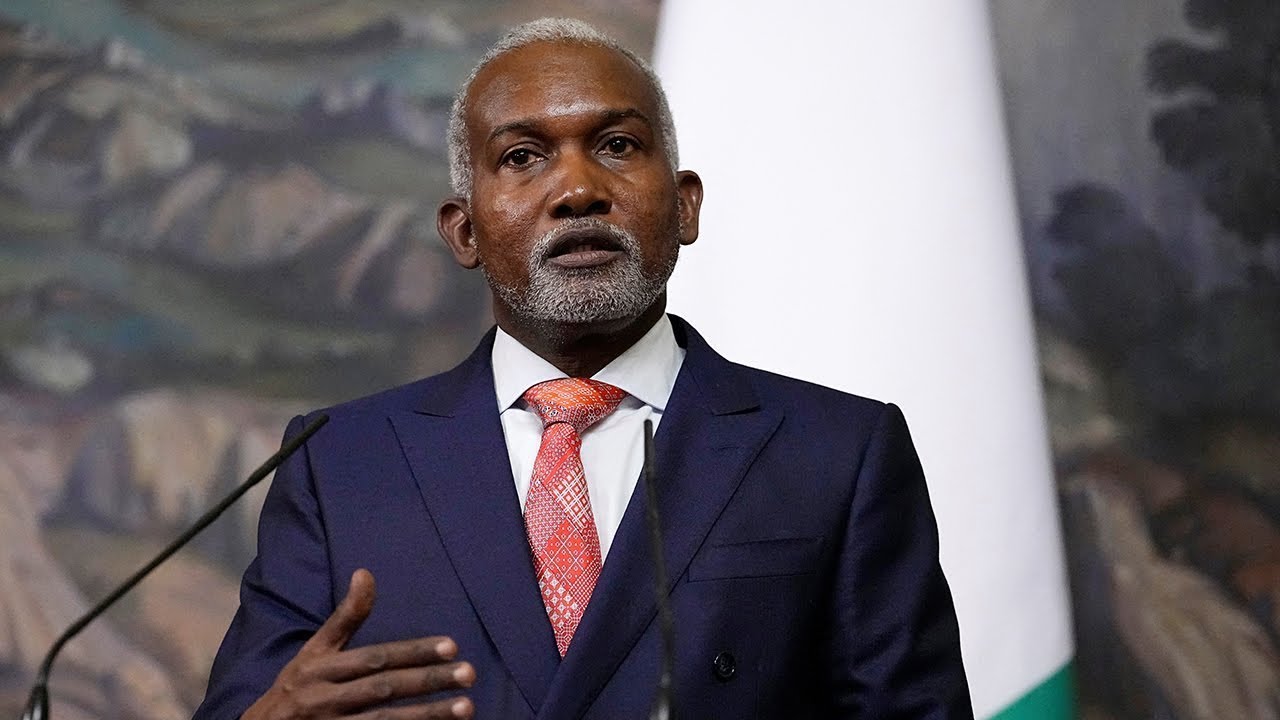
According to Nigeria’s Minister of Foreign Affairs, Yusuf Tuggar, U.S. officials made informal overtures to Abuja suggesting that Venezuelans currently in U.S. immigration detention, including those recently released from prison, be deported to Nigeria due to travel documentation discrepancies and administrative convenience.
“We cannot accept Venezuelan deportees to Nigeria. We already have 230 million people,” Tuggar said during an interview on Channels Television.
A One-Sided Plan: Nigeria Highlights Sovereignty Concerns
The Trump administration’s third-country deportation strategy—part of its broader immigration crackdown—has drawn criticism for attempting to outsource U.S. immigration enforcement to developing nations. While some countries, such as Rwanda and South Sudan, are reportedly in preliminary talks with the U.S., Nigeria has taken a clear and public stand against the idea.
“We have enough problems of our own,” Tuggar emphasized. “It would be difficult for countries like Nigeria to accept Venezuelan prisoners.”
Nigeria’s refusal underscores the government’s insistence on maintaining sovereignty over its immigration system and prioritizing internal development challenges before assuming the burden of accommodating foreign deportees.
Trump’s Growing Friction with African States
The deportation proposal is just one of several issues fueling growing diplomatic tensions between Washington and African nations under the Trump administration.
During the BRICS summit in Brazil, Trump hinted at penalizing countries that align too closely with BRICS policies by threatening an additional 10% tariff on their exports to the U.S. However, Tuggar downplayed this threat, saying Nigeria’s stance had more to do with resisting unfair immigration policies than global economic alignment.
“We are talking to the Americans. We are engaging them,” Tuggar said, clarifying that Nigeria’s refusal was unrelated to BRICS loyalties.
Visa Dispute Adds Fuel to the Fire
Tuggar also addressed recent U.S. visa restrictions on Nigerian travelers, calling into question the reciprocity claim made by American officials. He explained that Nigeria already offers a 90-day visa policy, comparable to that of the U.S., and that Nigeria has implemented an electronic visa system to streamline applications.
“The claim of reciprocity is simply not accurate,” said Tuggar. “We issue five-year multiple entry visas to American citizens—just as they do for Nigerian citizens.”
His remarks suggest growing frustration with what Nigeria perceives as one-sided policy changes from Washington, particularly those affecting students, businesspeople, and tourists.
Africa Pushes Back on U.S. Immigration Externalisation
The Trump administration has long explored offloading immigration enforcement responsibilities to African countries as part of a hardline strategy targeting undocumented migrants. This includes proposals to redirect deportees not based on nationality, but on transit routes or document technicalities.
For Nigeria, however, the message is clear: the country will not accept deportees who have no legal, ethnic, or geographic connection to its territory.
Tuggar’s public rejection of the plan marks a significant moment of diplomatic resistance to U.S. overreach in African immigration affairs.
Conclusion: Nigeria Prioritizes Its Own Interests
As global power struggles, trade tensions, and migration politics intensify, Nigeria appears determined to safeguard its national interests and assert a more autonomous diplomatic posture. While dialogue with the U.S. continues, the West African nation is making it known that it will not act as a dumping ground for other nations’ immigration crises.