
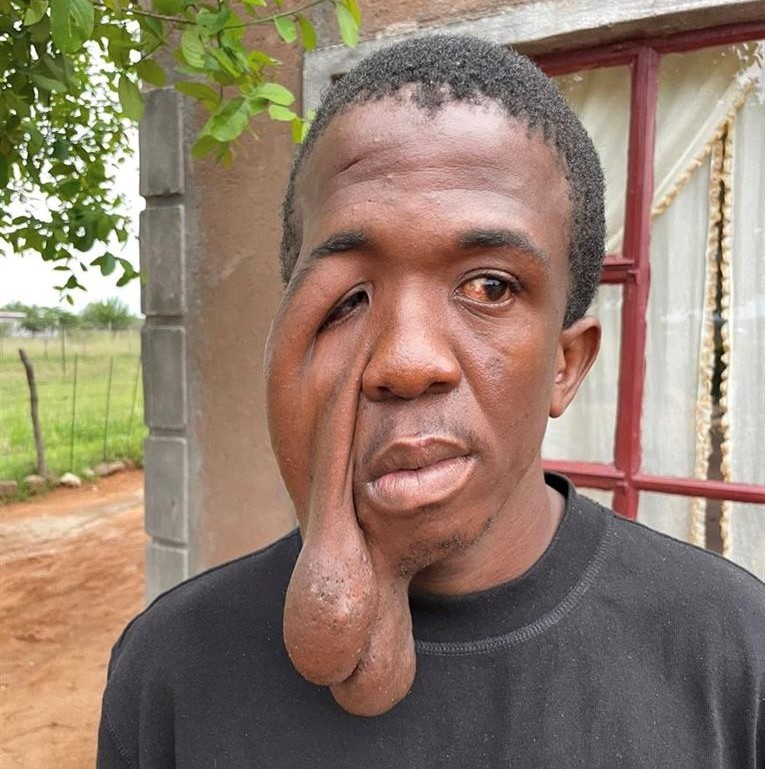
A young man from Khoreng Village in Limpopo is appealing for urgent medical help after living with a massive facial keloid for almost 20 years.
Tshwarelo Makopo (24) says the condition has defined his life since childhood, causing physical discomfort, emotional distress, and social isolation. The large growth, located on the side of his face, has continued to grow over the years with no successful medical intervention.
“Doctors said the operation was risky”
Makopo says his last hospital visit was in 2016, where doctors reportedly warned him that surgery carried serious risks.
“Doctors said the operation was risky and could cause heavy bleeding or the keloid could come back,” he said.
Since then, he has been unable to access further treatment, leaving him to live with the condition as it worsens.
Foundation launches donation drive
In a statement, Dr Kgoete confirmed that the Khayalami Foundation has launched a donation drive to assist Makopo and his family. The organisation has also formally appealed to the Limpopo Department of Health to intervene.
“We urgently call on the Limpopo Department of Health to intervene. We also call on the public and stakeholders to stand in solidarity with Tshwarelo and his family through donations,” said Dr Kgoete.
The foundation hopes public pressure and financial support will help secure specialised treatment.
What are keloids?
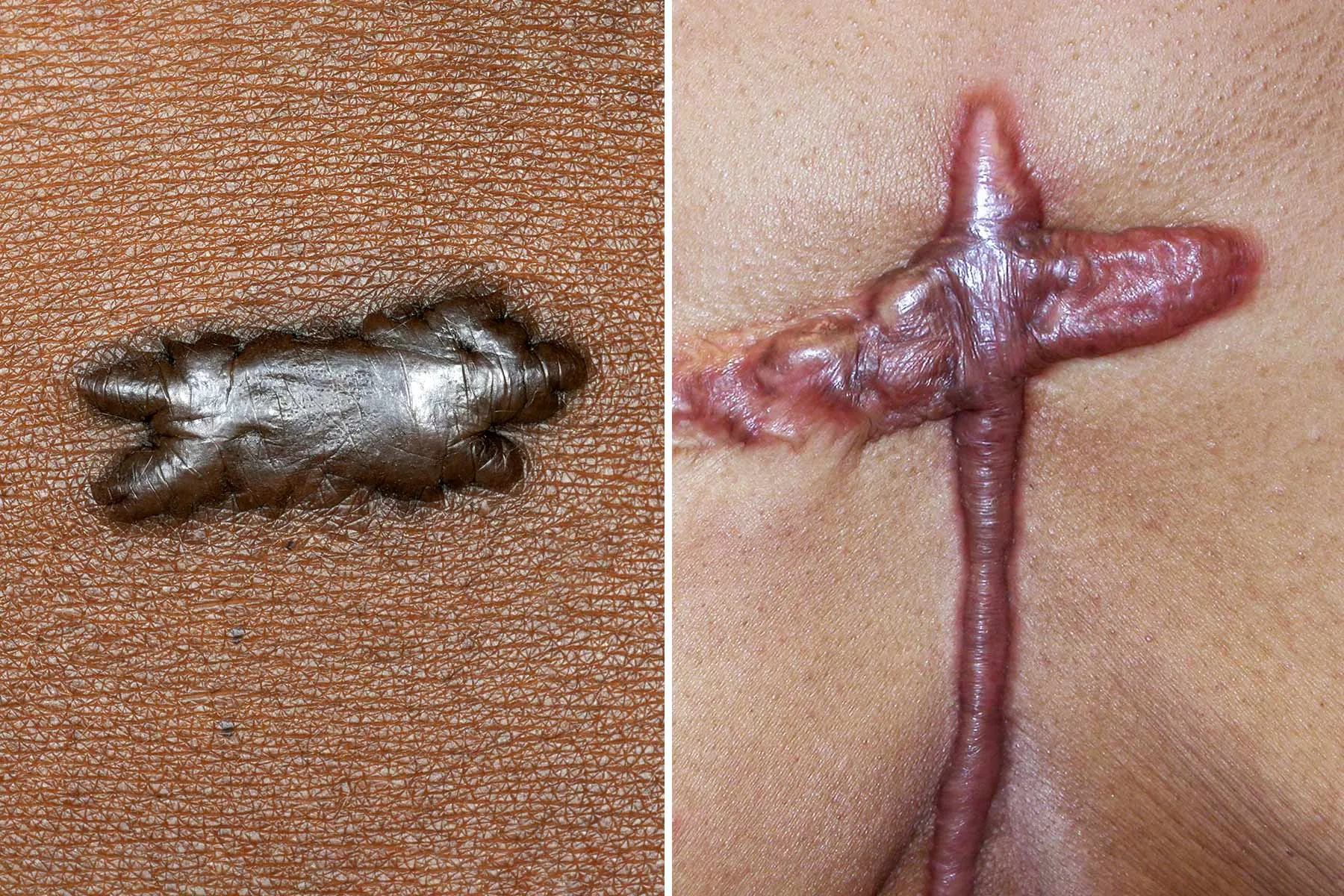
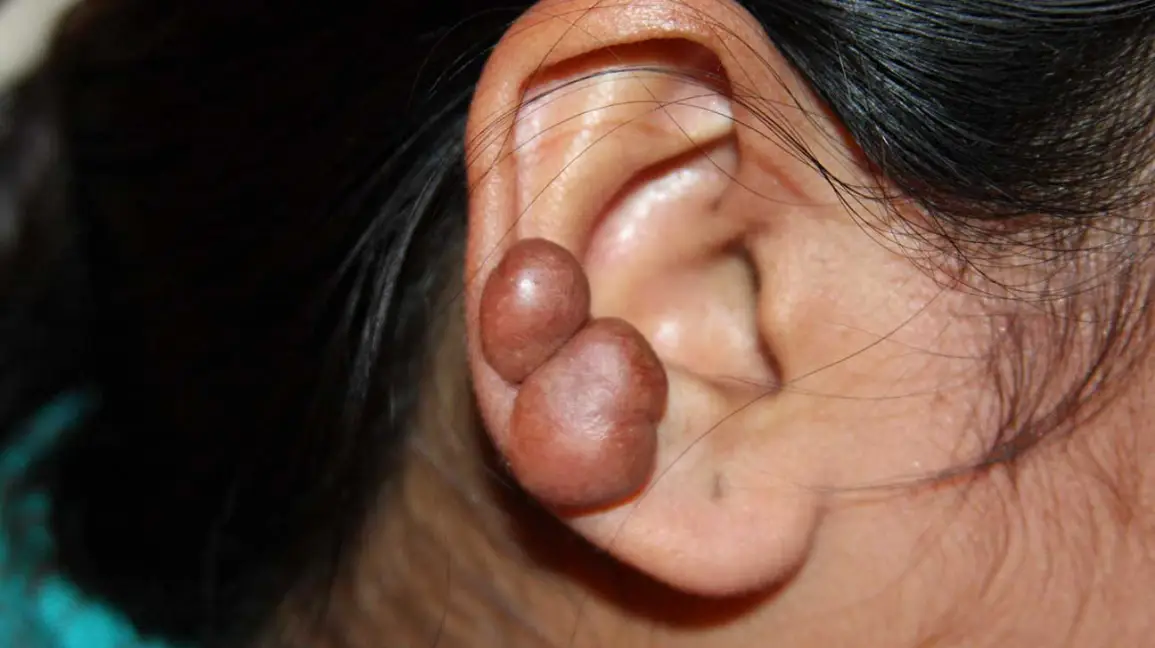
A keloid is an abnormal overgrowth of scar tissue caused by excess collagen production after skin injury. Unlike normal scars, keloids continue to grow beyond the original wound and do not stop once healing is complete.
Key characteristics of keloids
-
Raised, smooth, and firm scars
-
Can be flesh-coloured, red, pink, brown, or darker than surrounding skin
-
Often itchy, painful, tender, or burning
-
Can develop weeks or years after skin injury
-
Non-cancerous and not contagious
Common causes and risk factors
Keloids can develop after even minor skin trauma, including:
-
Cuts, burns, or surgical incisions
-
Acne or chickenpox scars
-
Piercings, tattoos, or injections
-
Insect bites
They are more common in people with darker skin tones, particularly those of African, Asian, or Hispanic descent, and often run in families. In some cases, keloids appear without any obvious injury.
A call for compassion and action
Makopo’s case has renewed conversations around access to specialised healthcare in rural South Africa, especially for conditions that require advanced surgical or dermatological expertise.
For now, his hope rests on public support and a response from health authorities.