A controversy has erupted in the Netherlands after panels honouring Black American World War II soldiers were quietly removed from a U.S. military cemetery, prompting accusations of historical erasure from Dutch locals, historians, and descendants of the fallen.
The displays were taken down earlier this year from the visitor centre at the Netherlands American Cemetery in Margraten, where around 8,300 U.S. service members who died during World War II are buried.
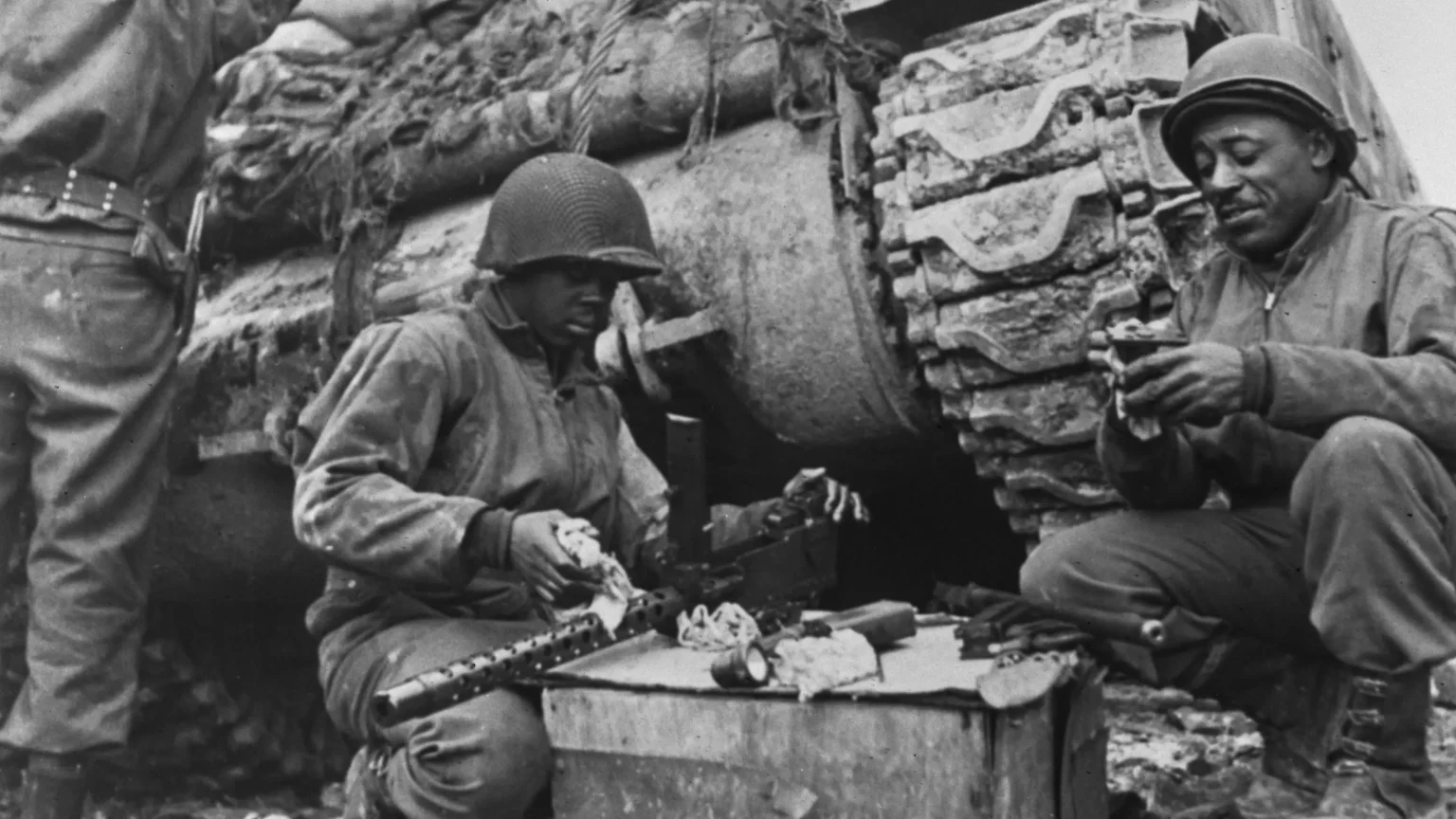
According to NBC News, the panels focused on the contributions and sacrifices of Black troops who helped liberate Europe from Nazi occupation.
Panels honoured Black soldiers who liberated Europe
Among those recognised was 23-year-old George H. Pruitt, a Black American soldier who died in 1945 while attempting to save another serviceman from drowning.
Historians estimate that nearly one million Black Americans served in World War II, many of them assigned to segregated units and dangerous labour roles. This included an all-Black graves registration unit tasked with burying fallen soldiers at Margraten during the devastating “Hunger Winter” of 1944–45.
Despite their service, Black soldiers faced widespread discrimination — even while fighting fascism abroad.
Dutch families notice and speak out
The removal of the panels did not go unnoticed. Local Dutch families, many of whom have “adopted” individual graves at the cemetery for generations, raised concerns in guestbooks, public meetings, and on television.
Critics accused the American Battle Monuments Commission (ABMC) of attempting to downplay or erase the historical mistreatment and contributions of Black soldiers.
“Something has changed in the United States,” said Theo Bovens, a Dutch senator and chair of the Black Liberators Foundation, in comments to NBC News.
The foundation has since announced plans to seek a permanent memorial honouring Black American soldiers who fought in Europe.
DEI policy rollback linked to decision
Internal emails obtained through public records requests by Dutch and Jewish media outlets revealed that the panel removals occurred amid a broader rollback of diversity, equity, and inclusion (DEI) policies by the U.S. government.
The ABMC defended its decision, claiming one display had merely been “rotated out” and arguing another no longer aligned with its mission. A replacement exhibit reportedly highlights a white soldier, Leslie Loveland, further intensifying criticism.
Calls grow for restoration and memorial
Dutch officials, the provincial government, and advocacy groups are now pressuring the U.S. to reinstate the panels and approve a permanent memorial recognising Black World War II troops.
For families directly connected to that history, the issue is deeply personal.
“It’s an important part of history,” said 79-year-old Cor Linssen, whose father was a Black American soldier. “They should put the panels back.”
Broader questions of memory and accountability
The dispute has reignited global debate over how nations remember war, sacrifice, and uncomfortable truths. While Europe continues to honour the role of Black liberators, critics say the panel removals risk rewriting history at a time when historical accountability remains crucial.
As pressure mounts, the incident has become a powerful symbol of how memory, race, and politics intersect — even decades after the last shots of World War II were fired.