South Africa has taken a significant step towards one of the largest infrastructure investments in its democratic history, pre-qualifying seven international consortia to bid for an estimated R480 billion expansion of the country’s electricity transmission network.
The decision, confirmed this week by Electricity Minister Kgosientsho Ramokgopa in Pretoria, is aimed at modernising South Africa’s ageing power grid and restoring long-term energy security after more than a decade of chronic electricity shortages.
However, the process has reignited debate over foreign involvement in critical national infrastructure, particularly after an Adani Group-linked unit emerged among the shortlisted bidders.
Global Heavyweights Eye Strategic Asset
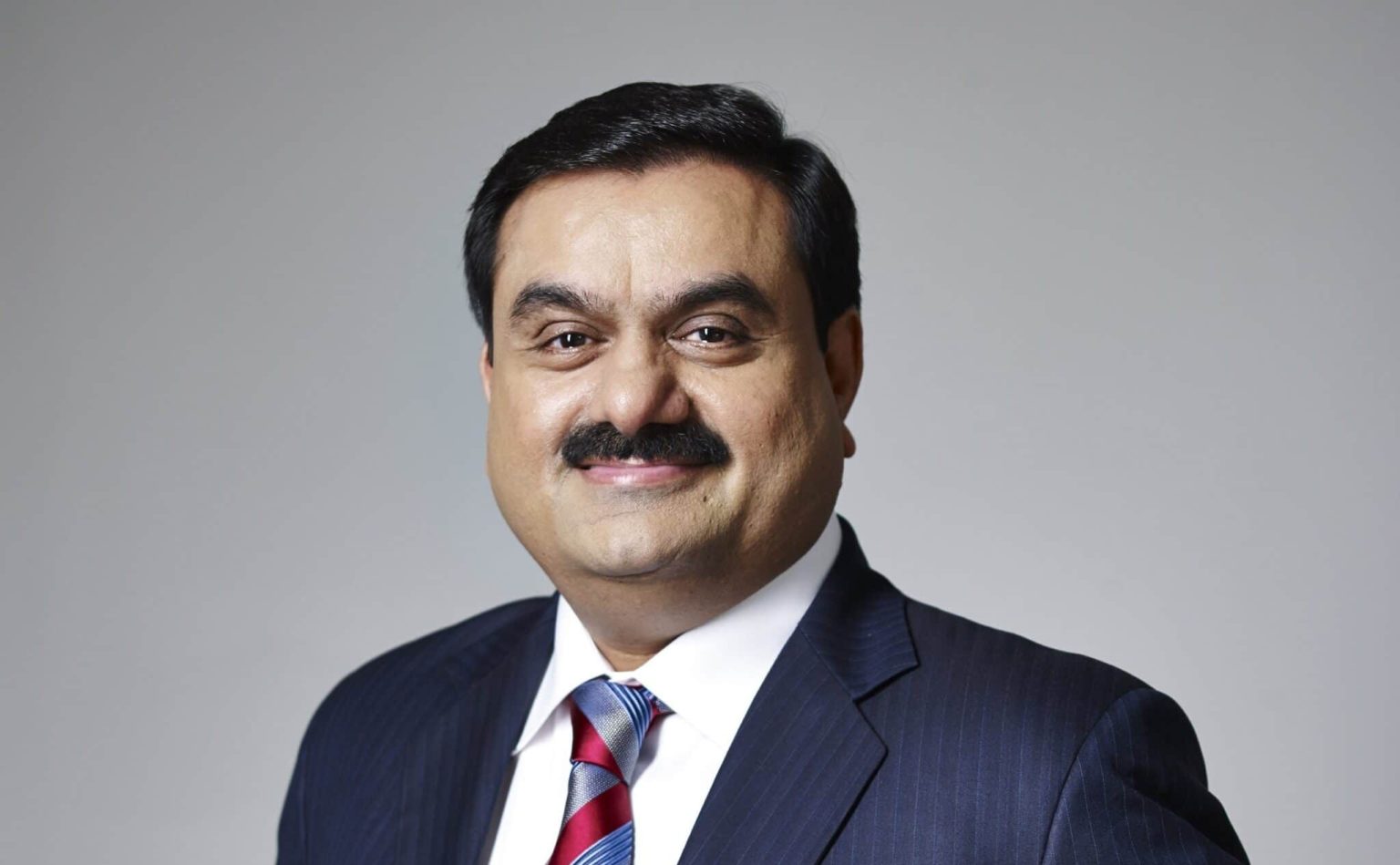
Among the pre-qualified companies is the Middle East unit of Adani Power, part of the Indian conglomerate founded by billionaire Gautam Adani. The group has extensive interests across ports, logistics, power generation and renewable energy, with projects spanning Asia, the Middle East and parts of Africa.
Other shortlisted bidders include France’s Electricité de France, as well as Chinese state-owned utilities State Grid International Development and China Southern Power Grid International, highlighting the global competition for a project seen as central to South Africa’s economic recovery.
The transmission expansion is widely viewed as critical to unlocking new generation capacity, particularly from renewable energy projects, and reducing the severity of power cuts that have constrained Africa’s most industrialised economy.
Scrutiny Returns With Adani’s Inclusion
While government officials have described the pre-qualification process as a technical and financial screening exercise, Adani’s inclusion has drawn heightened scrutiny both online and in policy circles.
Critics argue that governance risks linked to the Indian billionaire’s business empire should be carefully weighed when decisions involve infrastructure of national strategic importance.
In November 2024, Gautam Adani and two senior executives, including his nephew Sagar Adani, were accused in the United States of involvement in a scheme that allegedly paid more than R4.6 billion in bribes to secure solar energy contracts in India. The alleged payments were linked largely to projects in Andhra Pradesh between 2020 and 2024 and were expected to generate profits of about R37 billion.
An Adani Group-linked, US-based firm, Azure Power, was associated with the controversial solar deals. The allegations remain untested in court, and no liability has been determined at this stage.
Ongoing US Regulatory Attention
Regulatory scrutiny has continued into 2025. For the fifth time in eight months, the US Securities and Exchange Commission filed a status report with the Eastern District of New York stating that India’s Ministry of Law and Justice had yet to formally serve notice on Gautam and Sagar Adani.
In a December filing, SEC counsel Christopher M. Colorado said efforts were ongoing, noting that the commission remained in contact with Indian authorities through diplomatic channels under the Hague-Service Convention. Indian authorities have confirmed receipt of the request and have asked local judicial bodies to attempt service of the summons and complaint.
The case remains unresolved, but its timing has amplified public unease in South Africa.
Power Desperation Meets Public Distrust
Years of rolling blackouts have battered households, weakened businesses and eroded confidence in the country’s energy institutions. Against this backdrop, public reaction to the bidding process reflects a familiar tension: desperation for reliable electricity versus concern about who controls the infrastructure that delivers it.
On social media, many South Africans have expressed frustration that governance controversies elsewhere could intersect with domestic energy reform. Others argue that results matter more than reputations, provided the project delivers stable power and economic relief.
As the bidding process advances, whichever consortium ultimately secures the contract will face not only complex engineering and financing challenges, but also the task of convincing a weary public that this vast investment will finally keep the lights on — and do so without creating new risks along the way.