The Presidency has strongly criticised remarks made by billionaire entrepreneur Elon Musk, who claimed that South Africa now enforces more racially discriminatory laws than it did under apartheid, describing the comparison as false, offensive and deeply insensitive.
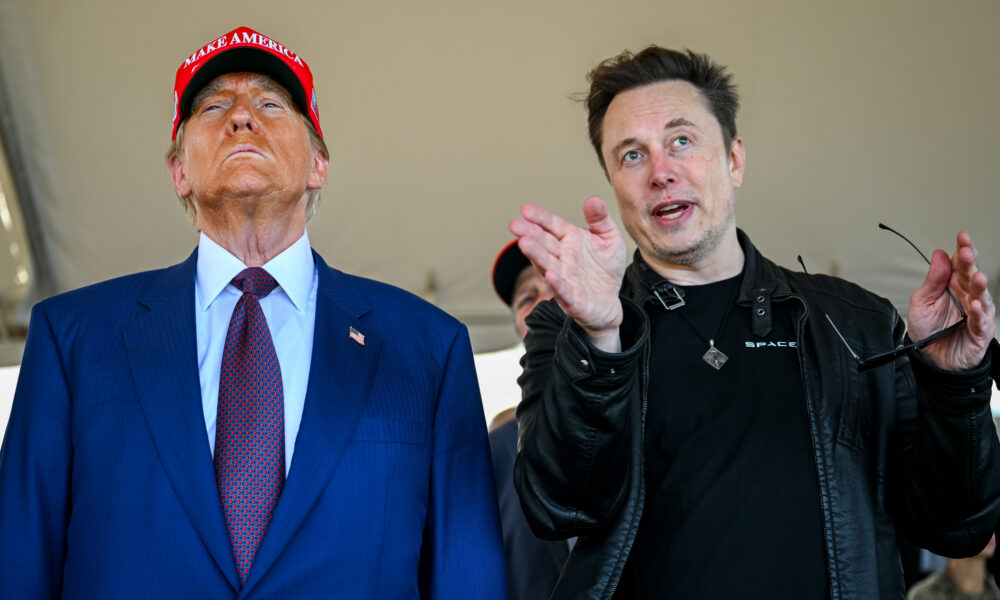
Musk made the comments on social media, citing research by the Institute of Race Relations (IRR), and argued that post-apartheid legislation unfairly targets white South Africans.
“South Africa now has more anti-white laws than apartheid had anti-black laws,” Musk said in the post, which quickly gained traction online.
He went on to argue that race-based legislation is inherently unjust, regardless of historical context, adding: “This is deeply wrong: the goal should be no race-based laws.”
Presidency responds with sharp rebuke
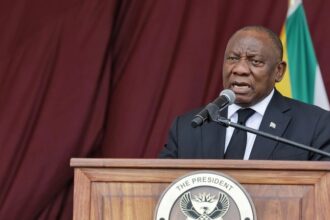
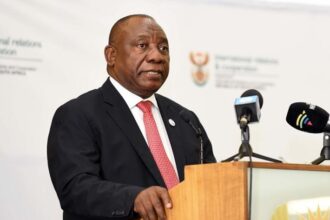
The comments drew an immediate and forceful response from the Presidency, with President Cyril Ramaphosa’s spokesperson, Vincent Magwenya, rejecting Musk’s claims as historically inaccurate and racially insensitive.
Magwenya said comparisons between post-apartheid redress policies and apartheid-era laws ignored the lived reality of South Africa’s past and present.
“Only an unhinged, unrepentant racist will not understand how deeply offensive such words are to people who still bear the scars of apartheid,” Magwenya said.
He stressed that apartheid was a system of legally enforced racial domination that stripped the black majority of political rights, economic opportunity and basic human dignity.
Transformation policies not comparable to apartheid
Magwenya rejected attempts to equate current transformation and redress policies with apartheid legislation, arguing that such comparisons distort history and undermine efforts to address structural inequality.
He said policies such as employment equity and black economic empowerment are aimed at correcting the deep and enduring imbalances created by centuries of colonialism and decades of apartheid rule.
“People still bear the scars of apartheid and everyday work continues to dismantle the mess left by colonialism and apartheid that benefited your ilk,” Magwenya added.
Debate over race-based legislation reignited
Musk’s remarks have reignited a long-running and often polarised debate over race-based legislation in South Africa, particularly policies designed to promote transformation and economic inclusion.
Supporters of these laws argue they are necessary to address entrenched inequality and historical injustice. Critics contend that such measures entrench racial divisions and disadvantage certain groups.
However, the Presidency has repeatedly maintained that post-apartheid policies cannot be equated with apartheid laws, which were explicitly designed to exclude, oppress and dehumanise the majority of the population.
Sensitivity around South Africa’s history
Apartheid officially ended in 1994, but its social and economic legacy continues to shape South African society. Issues of land, inequality, unemployment and access to opportunity remain closely linked to race, making public discourse on these matters particularly sensitive.
Government officials have warned that careless or inflammatory comparisons risk trivialising the brutality of apartheid and inflaming racial tensions in a country still grappling with its past.
While debate on policy direction remains part of a healthy democracy, the Presidency said such discussions must be grounded in historical truth and an understanding of South Africa’s unique context.