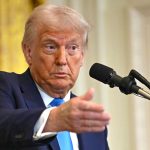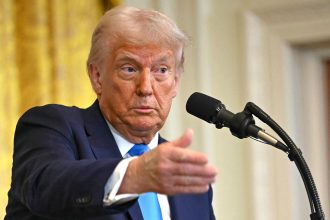
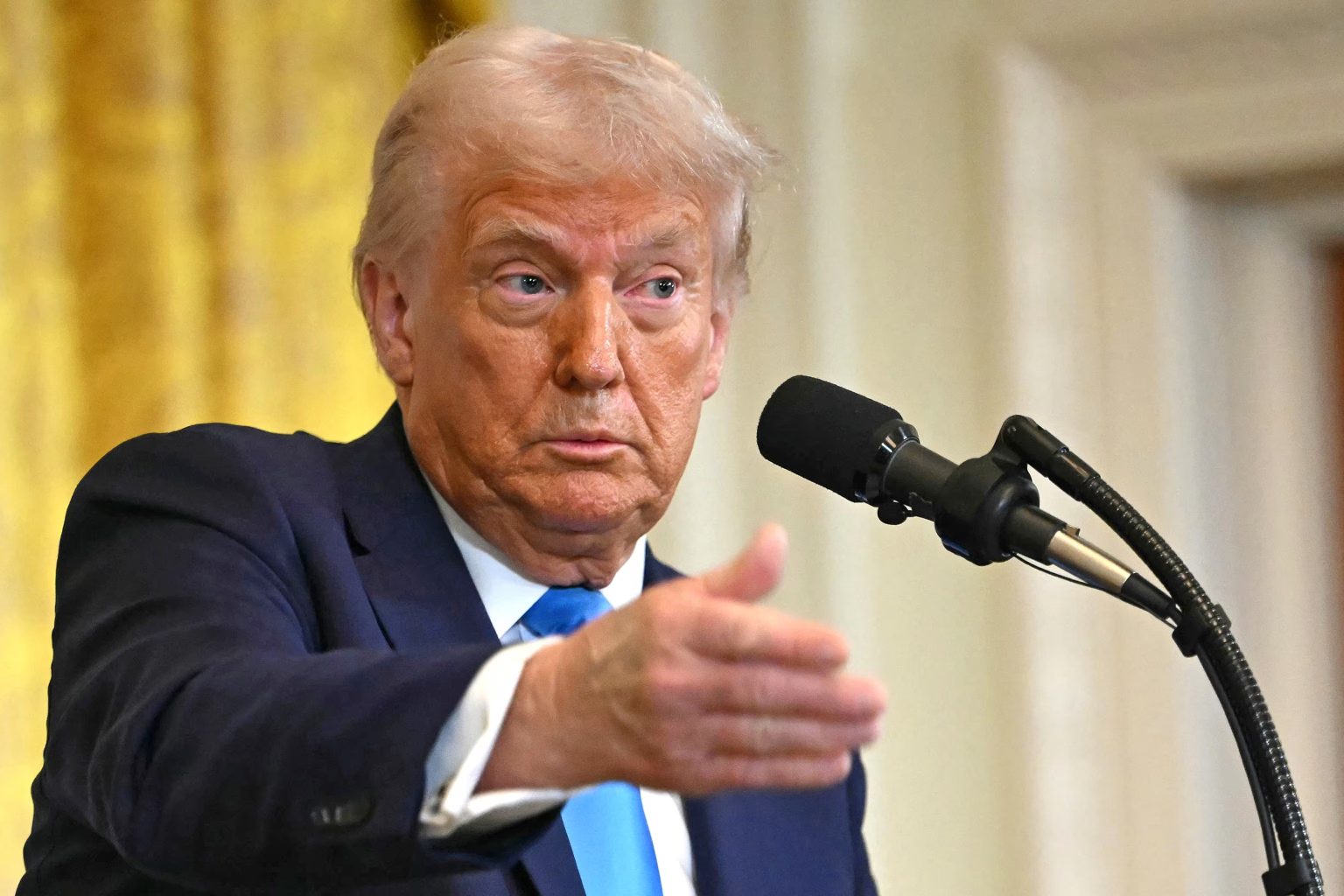
A fragile diplomatic window has emerged in the escalating US-Iran conflict after Donald Trump announced a 10-day delay to planned strikes on Iran’s energy infrastructure.
The decision pushes the deadline to 6 April 2026, giving negotiators more time to reach a potential agreement while tensions remain dangerously high. The pause follows a request from Iranian leadership, according to Trump, who insists that behind-the-scenes discussions are progressing positively.
Despite the temporary de-escalation, the situation remains volatile, with both sides signalling readiness for further confrontation.
Talks Continue Amid Deep Distrust
While Washington portrays negotiations as constructive, Tehran has publicly downplayed their significance.
Iran’s Foreign Minister, Abbas Araghchi, stated that indirect exchanges via mediators should not be interpreted as formal negotiations with the United States. This distinction highlights the deep mistrust that continues to define relations between the two nations.
A 15-point framework aimed at ending the conflict has reportedly been circulated through diplomatic channels, with Pakistan acting as a mediator. US officials claim the proposal has generated “positive messaging,” though no breakthrough has been confirmed.
Oil Markets React to Rising Uncertainty
Global markets have already responded sharply to the unfolding crisis.
- Brent crude climbed by approximately 5.7% to around R1,980 per barrel
- West Texas Intermediate (WTI) rose about 4.6% to roughly R1,740 per barrel
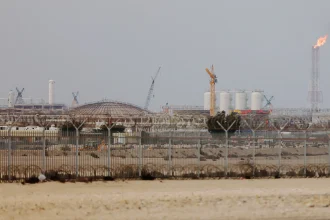
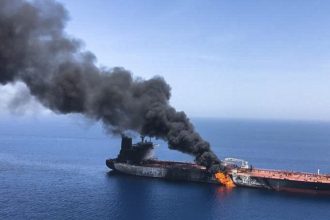
The spike reflects fears of supply disruption, particularly if conflict intensifies around critical energy routes such as the Strait of Hormuz—a key artery for global oil shipments.
The earlier dip in prices at the start of the week has now been reversed, underlining how quickly sentiment can shift in response to geopolitical risk.
Nuclear Threats Intensify Pressure
Even as diplomatic efforts continue, Iran has escalated rhetoric around its nuclear ambitions.
State-linked commentary and reports suggest growing domestic pressure within Iran to pursue nuclear capability, with some voices openly calling for the development or acquisition of a nuclear weapon.
This marks a significant shift in tone and raises alarm among global powers, particularly given the ongoing military confrontation. Analysts warn that continued strikes could push Tehran closer to abandoning restraint entirely.
Military Build-Up Signals Readiness for Escalation
On the ground, preparations for potential escalation are accelerating.
The United States has reportedly:
- Deployed around 2,000 paratroopers from the 82nd Airborne Division
- Positioned approximately 4,500 Marines in the broader Middle East region
Meanwhile, Iranian state media claims that over one million troops have been mobilised in anticipation of a possible US-led ground offensive.
The dual-track strategy—diplomacy paired with military readiness—suggests both sides are preparing for multiple outcomes.
A High-Stakes Balancing Act
The current pause illustrates a classic geopolitical standoff: diplomacy under the shadow of force.
Trump’s approach appears to combine pressure and negotiation—offering Iran a pathway to de-escalation while maintaining the threat of decisive military action. According to insiders, the administration remains prepared for a full-scale response if talks collapse.
For Iran, the strategy appears equally complex—engaging indirectly while projecting strength domestically and regionally.
What This Means for the World
The implications extend far beyond Washington and Tehran.
- Global energy markets remain highly sensitive to developments
- Shipping routes in the Gulf face potential disruption
- Regional stability in the Middle East hangs in the balance
For countries like South Africa, rising oil prices could translate into increased fuel costs, adding pressure to an already strained economy.
Outlook: Countdown to a Critical Deadline
With the new deadline set, the next 10 days will be decisive.
If negotiations gain traction, the pause could mark the beginning of a broader de-escalation. If not, the world could face a significant military confrontation with far-reaching consequences.
Final Thoughts
This moment underscores how quickly global stability can shift—from diplomacy to potential conflict. While the pause offers temporary relief, the underlying tensions remain unresolved.
Call to Action:
Follow Virgo for real-time global news and sharp analysis on the stories shaping the world. Share this update and stay informed as this high-stakes situation unfolds.